

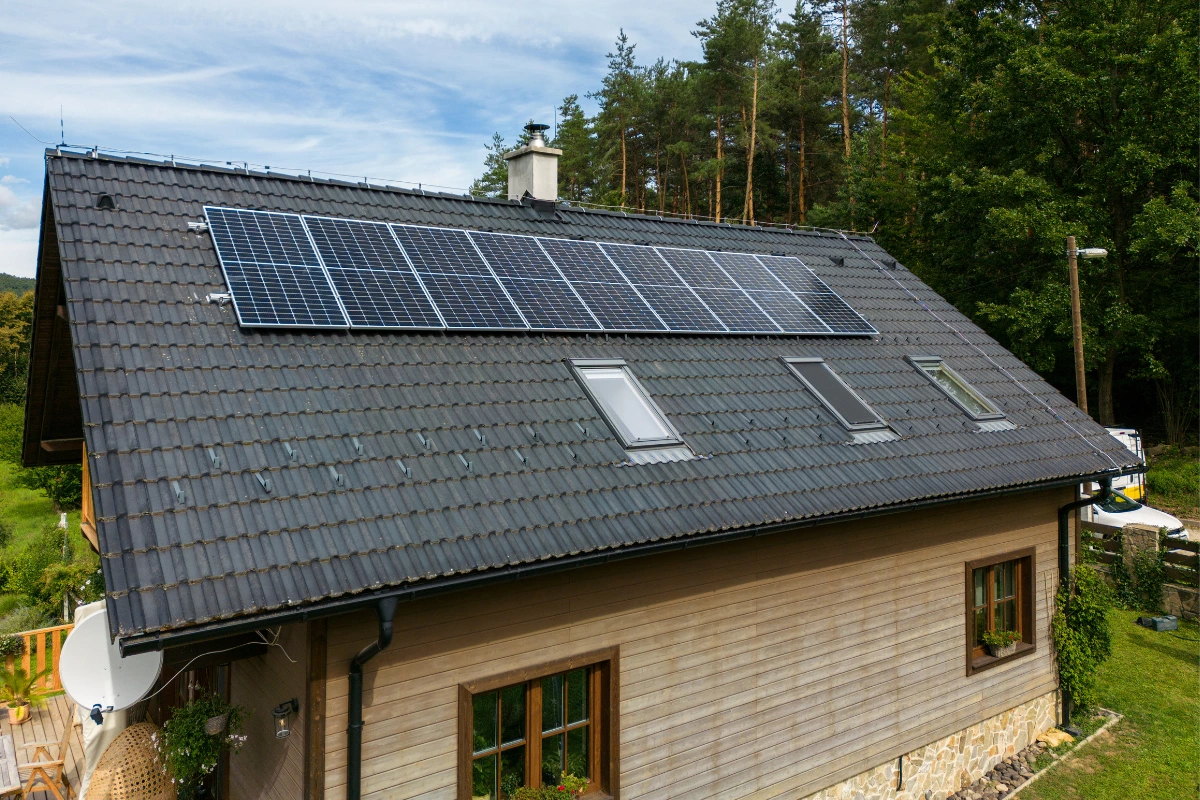
The assumption that older homes can’t support solar panels is outdated. Thousands of homeowners with 50+ year old houses successfully generate clean energy, reduce electricity bills, and increase property value through solar retrofits. What seems complicated becomes straightforward when you understand what installers assess and what upgrades make sense for your specific home.
The key difference between new construction and retrofit solar is planning. New builds integrate solar into initial design. Retrofits require assessment and sometimes upgrades. But neither is impossible, and long-term savings make it worthwhile for homes of any age.
Assessing Your Roof for Solar Readiness
The first step involves evaluating your roof’s condition and structure. Solar panels last 25-30 years, so your roof should ideally have similar longevity remaining. If your roof is nearing replacement, replace it before going solar to avoid removing panels during future work.
Professional home solar assessments evaluate roof pitch, orientation, structural integrity, and shading. South-facing roofs between 15 and 40 degrees work best, though east and west-facing roofs work acceptably. The assessment identifies whether your existing roof supports panels or needs reinforcement.
Metal roofs on older homes often prove ideal. They’re durable, accommodate mounting, and complement traditional aesthetics. Asphalt shingles work too but require consideration if shingles need replacement during the system’s life.
Flat roofs require additional support structures and may limit design options, but they’re not disqualifying.
Electrical System Upgrades Needed
Older homes frequently need electrical upgrades before solar installation. Many 1970s-1980s homes have 100-amp service panels designed for lower electricity demands. Solar systems need 200-amp panels to safely integrate with modern loads.
Upgrading panels isn’t inexpensive, but it’s one-time work that improves overall home safety, enables future electric vehicle charging, and supports smart home technology.
The good news: electrical upgrades are standardized work. Electricians perform them routinely, and once completed, your home becomes compatible with solar and future upgrades.
Working Around Historic Home Restrictions
Historic home designations sometimes restrict exterior modifications, including solar panel installation. Check local historic district guidelines before committing to solar. Some districts allow solar with specific mounting methods or placement restrictions. Others prohibit visible panels entirely.
Creative solutions exist. Ground-mounted systems placed in back yards work around rooftop restrictions. Roof-mounted systems using low-profile frames minimize visual impact. Some installers specialize in historic properties and understand approval processes.
Contact your local historic preservation office early. Understanding restrictions prevents wasted effort and allows planning around actual limitations rather than perceived ones.
Structural Considerations for Older Homes
Older home construction varies widely. Wood-frame houses, masonry buildings, and structures with compromised structural integrity require different approaches. Solar installation for older homes specialists evaluate existing structure and recommend appropriate reinforcement if needed.
Sagging rooflines, settling foundations, or previous water damage don’t automatically disqualify homes from solar. They simply require assessment and sometimes additional engineering during design. Reputable installers handle this routinely.
The structural assessment identifies any reinforcement needs before installation begins, ensuring long-term safety and system reliability. This preliminary work, while requiring investment, prevents problems later.
Cost-Saving Retrofit Strategies
Solar retrofit costs typically run higher than new construction because of assessment and potential upgrades. But legitimate cost-saving strategies exist without compromising quality.
Start smaller. A 4-kilowatt system costs less than 8 kilowatts while still delivering meaningful savings. Expand later as budget allows. Battery storage can also be added later, reducing upfront costs.
Federal tax credits apply regardless of home age. Current credits cover significant installation expense, making the effective cost considerably lower than sticker price.
Check state and local incentives. Many jurisdictions offer rebates, performance payments, or tax benefits specifically for solar installations. These vary regionally, but research options in your area.
Competitive bidding matters too. Get multiple quotes and compare thoroughly. Prices vary significantly between installers, and you deserve to understand what you’re paying for.
The Bigger Picture
Older homes becoming solar-powered represents a success story often overlooked. These homes aren’t liabilities or retrofit projects requiring extensive modifications. They’re solid structures with character, established in mature neighborhoods, that gain significant value through renewable energy integration.
The complexity exists but isn’t overwhelming. Professional assessment identifies specific needs for your property. Upgrades, when required, are standard work. The result is a home generating free electricity for decades while increasing property value and appeal.
Your older home’s age isn’t an obstacle to solar. It’s simply context requiring thoughtful planning and appropriate assessment. With the right approach, adding solar to older homes proves straightforward, affordable, and increasingly common among homeowners wanting to modernize responsibly.