

Ever found yourself sweating through a scorching summer day, wondering why your current cooling setup just isn’t cutting it? Or perhaps you’ve shivered through winter, dreaming of a heating system that actually works? Choosing the right air conditioning unit isn’t just about comfort—it’s about making a smart investment that’ll serve you well for years to come.
Getting your air conditioning choice wrong can be a costly mistake. We’re talking about higher energy bills, rooms that never quite reach the right temperature, and systems that break down when you need them most. For those living and working in Surrey Hills, understanding your specific heating and cooling needs is absolutely essential. The local climate throws plenty of challenges your way, from humid summers to chilly winters.
In this guide, we’ll walk you through everything you need to know about selecting the perfect air conditioning system. From understanding different types of systems to using an air conditioning calculator, comparing brands, and knowing when to choose a split system over ducted—we’ve got you covered. By the end, you’ll feel confident making a decision that keeps your space comfortable all year round without breaking the bank.
Understanding Different Types of Air Conditioning Systems
Before diving into specific products, it’s worth getting your head around the main types of systems available. Each has its own strengths, and the right choice depends on your space and needs.
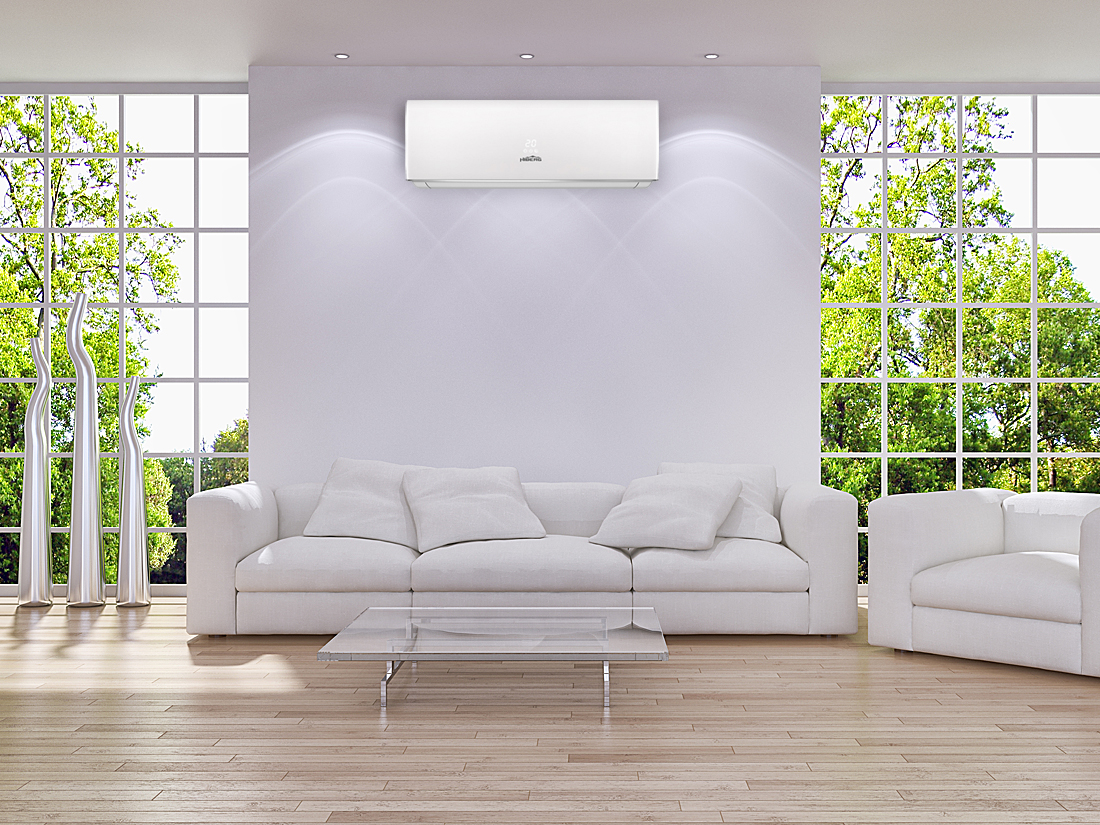
A reverse cycle split system aircon is incredibly popular across Australia, and for good reason. These units handle both heating and cooling from a single system, making them brilliant all-rounders. They’re perfect for individual rooms or open-plan living areas, and installation is relatively straightforward. You’ll see an indoor unit mounted on your wall connected to an outdoor compressor.
If you’re after whole-home comfort, reverse cycle ducted air conditioning might be your best bet. This system uses hidden ductwork to distribute conditioned air throughout your entire property. It’s a more significant investment upfront, but the result is consistent temperature control in every room without visible units cluttering your walls.
For those needing a quick fix for a single space, a c unit for room solutions like portable or window units can work. However, they’re generally less efficient and noisier than split systems. A heating cooling split system operates year-round by reversing the refrigeration cycle—extracting heat from outside air in winter and removing heat from your room in summer. It’s clever technology that’s become the go-to choice for Australian homes.
What Is the Best Air Conditioner Brand?
This is one of the most common questions people ask, and honestly, there’s no single “best” brand for everyone. It really comes down to your priorities—whether that’s reliability, energy efficiency, price point, or warranty coverage.
In Australia, you’ll find plenty of trusted names including Daikin, Mitsubishi Electric, Fujitsu, Panasonic, and Samsung. Daikin consistently ranks highly for reliability and innovation, while Mitsubishi Electric is known for whisper-quiet operation. Fujitsu offers excellent value across their range, and Panasonic brings solid energy efficiency to the table.
When comparing brands, pay attention to warranty terms. Some manufacturers offer up to seven years on compressors, which speaks volumes about their confidence in the product. Also consider after-sales support and availability of spare parts—you don’t want to be stuck waiting weeks for a repair.
Retailers like Good Guys air conditioning departments stock most major brands and can offer competitive pricing. However, don’t just chase the cheapest deal. Sometimes paying a bit more for a reputable brand with better efficiency ratings saves you money over the system’s lifetime. Ask about current promotions, package deals that include installation, and always compare like-for-like specifications.
Using an Air Conditioning Calculator to Determine the Right Size
Getting the size right is absolutely crucial for efficiency and comfort. An undersized unit will struggle to cool or heat your space, running constantly and driving up energy costs. An oversized unit, meanwhile, will cycle on and off too frequently, leading to humidity problems and unnecessary wear.
An air conditioning calculator takes the guesswork out of sizing. Most calculators ask for your room’s dimensions in square metres, but that’s just the starting point. You’ll also need to factor in ceiling height, insulation quality, window size and orientation, and how much direct sunlight the room receives. A north-facing room with large windows needs more cooling capacity than a well-insulated south-facing space.
Here’s a simple step-by-step approach: First, measure your room’s length and width to calculate square metres. Then, use a rough guide of 120-150 watts per square metre for average conditions. Next, adjust upward for poor insulation, large windows, or high ceilings. Finally, add about 600 watts per person if the room regularly has multiple occupants. Many manufacturer websites offer free calculators, or your installer can perform a detailed assessment. Don’t skip this step—it’s the foundation of an effective heating and cooling system.
Reverse Cycle Air Conditioning: The Smart Choice for Australian Climates
So, what exactly is reverse cycle air conditioning, and why does everyone rave about it? Simply put, it’s a system that can both cool and heat your space using the same technology. In summer, it works like a traditional air conditioner, removing heat from indoors. In winter, it reverses the process, extracting warmth from outdoor air and transferring it inside.
The benefits are substantial. You’re essentially getting two systems in one, which means lower upfront costs compared to buying separate heating and cooling units. Plus, reverse cycle systems are remarkably energy-efficient for heating. They can produce three to six kilowatts of heating energy for every kilowatt of electricity consumed—far more efficient than electric bar heaters or gas systems.
Energy efficiency ratings are displayed as stars on the unit’s energy label. Look for systems with high star ratings for both heating and cooling modes. The higher the rating, the less electricity you’ll use and the lower your running costs. For Surrey Hills residents dealing with variable weather, investing in a quality reverse cycle system makes excellent financial and environmental sense.
Split System vs Ducted: Which Is Right for Your Space?
Choosing between a heating cooling split system and reverse cycle ducted air conditioning often comes down to your property type, budget, and personal preferences.
Split systems shine in specific scenarios. They’re ideal for apartments, smaller homes, or situations where you only need to condition certain rooms. Installation is quicker and less invasive, typically completed in a day. You can also add multiple split systems over time, spreading the investment. Each room can be controlled independently, so you’re not paying to heat or cool empty spaces.
Ducted systems make sense for larger homes where consistent whole-house comfort is the priority. They’re virtually invisible once installed, with only subtle ceiling vents on display. Zone control options let you direct airflow to occupied areas, improving efficiency. However, installation requires ceiling space for ductwork and is more disruptive—best done during construction or major renovations.
From a cost perspective, a single split system typically ranges from $1,500 to $5,000 installed, depending on capacity. Ducted systems generally start around $8,000 and can exceed $20,000 for premium installations. Running costs depend heavily on usage patterns, but ducted systems can be more economical if you’re conditioning multiple rooms simultaneously.
Key Features to Look for When Buying
Beyond type and size, several features can significantly impact your satisfaction with a new air conditioning system.
Energy star ratings directly affect running costs. A system with a higher star rating might cost more upfront but can save hundreds annually on electricity. Check ratings for both heating and cooling modes—some units perform better in one mode than the other.
Noise levels matter enormously, especially for bedrooms and offices. Look for decibel ratings in product specifications. Anything under 25dB for indoor units is considered whisper-quiet. Premium brands often invest heavily in noise reduction technology, making them worth the extra spend for light sleepers.
Smart controls and connectivity have become standard in modern units. Wi-Fi enabled systems let you control temperature via smartphone apps, set schedules, and monitor energy usage. Some integrate with home automation systems like Google Home or Alexa. These features add convenience and can improve efficiency by ensuring you’re not cooling an empty house.
Don’t overlook air quality and filtration features. Many units include filters that capture dust, pollen, and bacteria. Some offer additional purification technologies. For allergy sufferers or households with respiratory concerns, these features provide genuine health benefits.
Professional Installation and Ongoing Maintenance
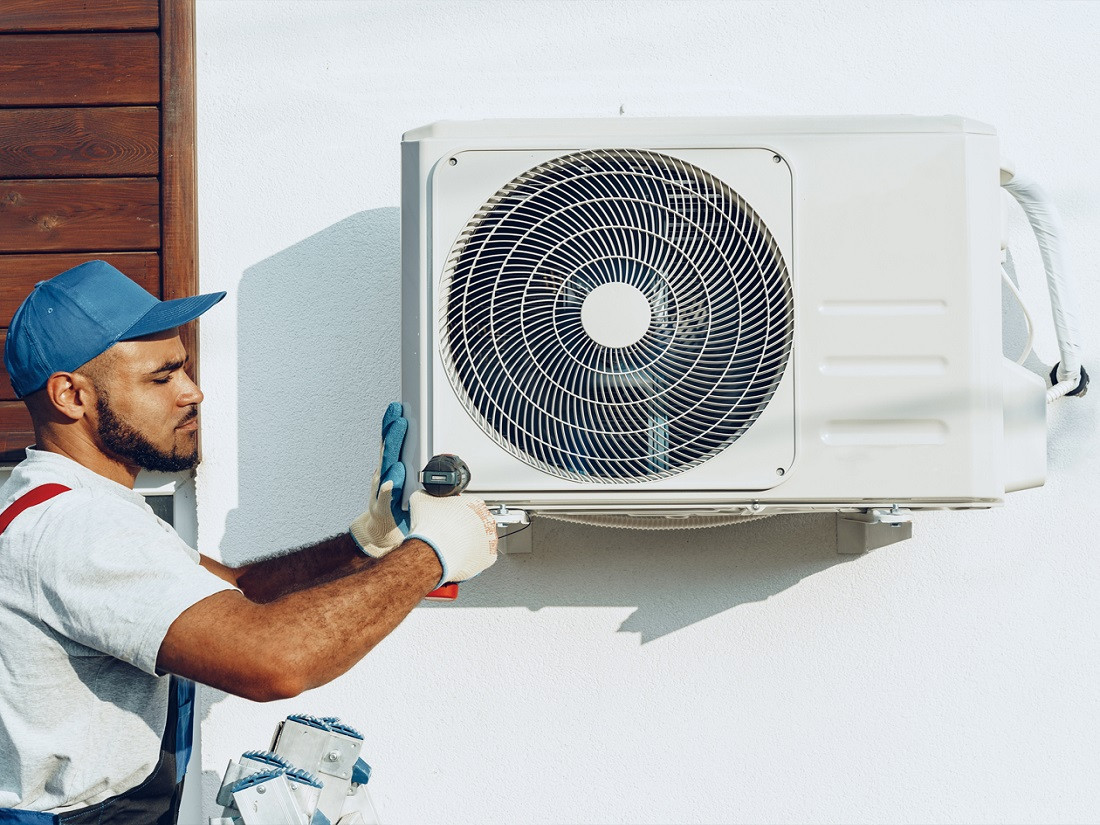
Even the best air conditioning unit will underperform if installed incorrectly. Professional installation ensures your system operates at peak efficiency and maintains warranty validity.
Qualified technicians will assess your space, recommend optimal placement, and handle all electrical and refrigerant work safely. They’ll also ensure proper drainage and secure mounting. In Surrey Hills, look for installers with current refrigerant handling licenses and positive customer reviews. Ask for itemised quotes and check what’s included—some quotes exclude electrical work or brackets.
Ongoing maintenance keeps your system running smoothly for longer. At minimum, clean filters every few months—dirty filters reduce efficiency and air quality. Annual professional servicing is recommended, covering tasks like checking refrigerant levels, cleaning coils, and inspecting electrical connections. Many installers offer service packages worth considering for peace of mind.
Making Your Final Decision
Selecting the right air conditioning unit involves balancing several factors: your space’s requirements, your budget, desired features, and long-term running costs. Take time to use an air conditioning calculator, compare brands honestly, and consider whether a split system or ducted solution suits your lifestyle.
Remember, the cheapest option isn’t always the best value. Investing in a quality reverse cycle system from a reputable brand, properly sized and professionally installed, will reward you with years of reliable comfort. Don’t rush the decision—get multiple quotes, ask questions, and trust installers who take time to understand your needs.
Your comfort throughout Surrey Hills’ varied seasons is worth getting right. Whether you’re upgrading an existing system or installing fresh, the perfect air conditioning solution is out there waiting. Take what you’ve learned here, do your homework, and soon you’ll be enjoying ideal temperatures no matter what the weather throws at you. Good luck!